Falling in love with non-human agents

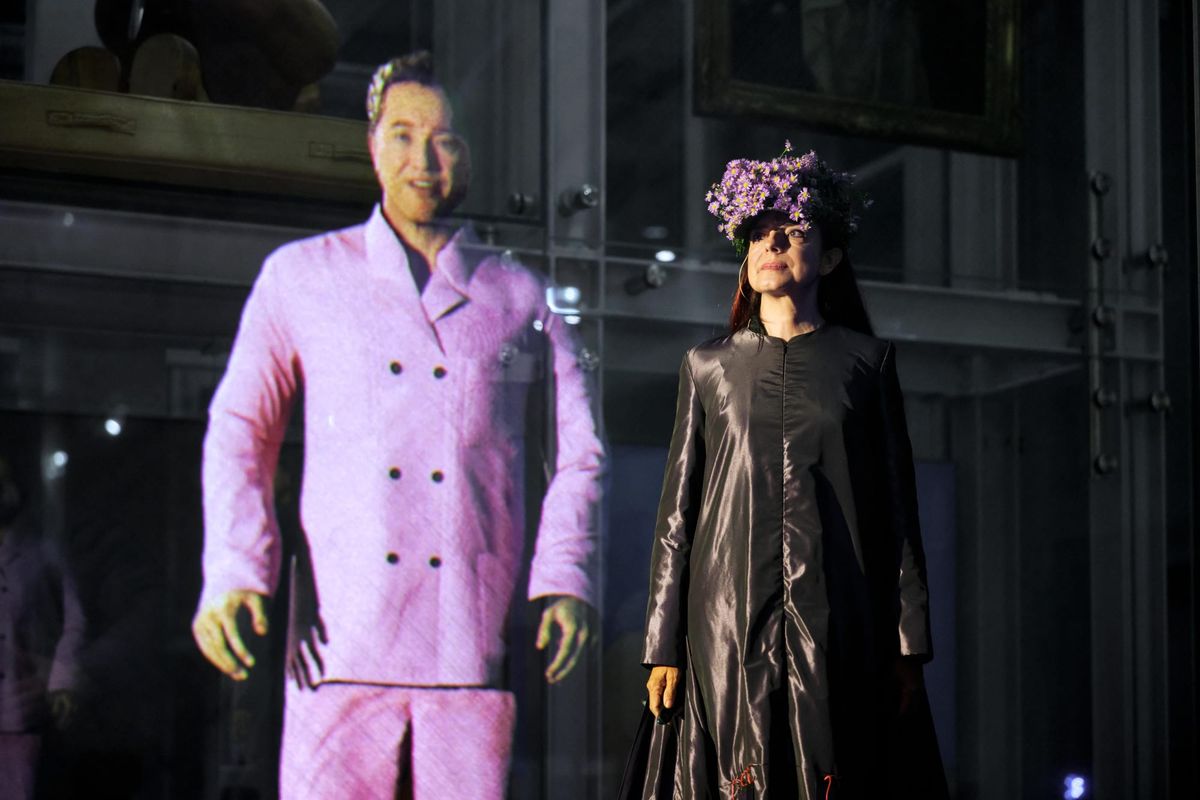
AI has long not been something unimaginable from the sci-fi realm but part of our everyday grind, whether reminding us with our mundane chores or turning every gadget and widget we have into a chatty companion. The advancements of AI and its applications in various fields have been significant, to say the least, from automating menial routine tasks to enhancing our social interactions, but at the same time we're still only scratching the surface of all that is possible.
And somewhere along the way the acknowledgement that it's artificial has blurred. AI powered whatnots have been able to hold conversations and provide companionship for some time now, even establishing emotional connections... or rather vice versa, it's us humans who do that with these non-human agents. It’s not the AI catching feelings—it’s us.
We name our gadgets, pour our hearts out in chatbots, ask advice from any artificial entity, and sometimes even get a little too attached to that friendly, synthetic voice that never forgets to remind us to go for a walk, water our plants and recommends us a good pasta recipe for the dinner. It even checks in on how we’re feeling after a fully booked workday and how our Aunt Mai's doing after her knee surgery.
It seems that we are taking part in a high-tech reality show, where the plot twist is that we’re the ones falling for our gadgets and developing personal connections with these non-living, non-sentient, but somehow so relatable digital companions.
Where We’re At: Facts, Feelings, and Forecasts
As of now, advances in robot engineering and AI powered non-sentients have resulted in the development of human-like autonomous robots that interact with humans in sort of lifelike ways. There are plenty of people thinking that the AI ones might be "slightly conscious," but let's not get into that debate and just go with the way it is perceived, that it can seem conscious for sure.
Literature suggests, at least at the moment, that humans can indeed form intimate relationships with robots that mimic human characteristics in many ways, including intellectual, romantic, and sexual ones. Some studies have looked at personality traits that make some people more responsive to technology, but there is still not a lot of research on the ideas that make people WANT to be in relationships with robots.
Using technology, these applications and *things* can provide users with what seems like a safe and non-judgemental environment in which they may talk about their emotions, and receive what seems like individualised support and care. Users are able to express their feelings, receive responses that demonstrate empathy, and have access to therapeutic tools and resources, all within the limits of AI creations.
After finding plenty of use in science fiction, the hospitality and care industry, and of course our households, researchers do predict that social robots designed to fulfil people's needs will soon be entering the workforce. Some can't wait for this, others are sceptical if not worried.
Let's go with the positive. One positive aspect of AI is for sure its ability to mimic human emotions and empathy, which can make people feel more connected to others, especially when face-to-face contact is difficult or impossible. And probably more connected to themselves. When people feel understood and comforted by another, their feelings of loneliness can diminish. AI models trained to react compassionately do indeed provide comfort to people by listening to their innermost thoughts and feelings.
Let's go a little deeper into this rabbit hole of human relationship definitions. Love, courtship, marriage, and companionship have changed considerably in both their structures and their definitions over the course of history. Human relationships have been like a never-ending game of survival of the strongest or most beneficial—or convenient—through history. In ancient times, it was all about sticking together to either not freeze to death or avoid being eaten by something bigger, stronger, faster. In the middle ages, on the other hand, it was more common to marry into a family's political or landholding connections rather than one's own. Today at 2 AM we swipe right for love, friendship, quick shag, or just someone to exchange memes with. And now, thanks to AI, we can also add chatbots to our friends list, because who doesn't want a relationship with someone(thing) who always knows the right thing to say?
Perhaps this is why British AI specialist David Levy wrote the book Love and Sex with Robots nearly two decades ago. He predicted that human-robot marriages will be commonplace by 2050. Mind you, at 2024 we already have some of those, not quite legal ones, but let's call them symbolic marriages. Moreover, Levy thought that one day, you'll be able to customise your lover or partner to your needs, and it would even be able to have complex conversations, which is something that our human partners might fail to do currently. As a whole, the book made the case that society will come to accept more unconventional types of relationships between humans and artificial companions. as they become more and more humanlike.
And of course there is the negative pov also, especially in the context of emotional and sexual connections. Some tech ethicists believe that sexbots could seriously damage human relationship and by becoming overly reliant on robots for our emotional and sexual needs may cause people to withdraw from society.
Since non-sentient companions can't really give consent, it brings up some pretty heavy ethical questions about what these interactions or relationships are all about. Some ethicists are worried that interacting with robots like this could make harmful, exploitative behaviours or unrealistic expectations seem normal. There are also concerns that robots, particularly the ones made for sex, might be used to play out violent or abusive fantasies. And then it will all spill over into our human-to-human relationships.
Spending a lot of time with artificial companions that cater to any and all your emotional or sexual needs might set you up for some pretty unrealistic expectations when it comes to human partners. And that will mess with the quality of your current or future relationships. And mind you, we are already distracted by the love of another technology, our smartphones, threatening our human relationships.
So the overall sentiment is that if you need a friend for a lonely elderly or help people with dementia, it's all good. You need a compassionate friend? Yeah, why not, mostly ok, just don't hide from human-t connections. But if you're interested in dating, we'll start to glance at you with curiosity and, maybe, a little anxious uncertainty. And when you form a romantic relationship or have sex with one, well, it's considered odd at best and just plain wrong or unhealthy most of the time. That pretty much sums it up.
Who’s Crushing on Robots?
"Technically in love: Individual differences relating to sexual and platonic relationships with robots" study by Connor E. Leshner and Jessica R. Johnson looked into how people's existing beliefs about gender inequality, their interest in casual sex, and social hierarchies affect their interest in forming platonic ("robofriendship") or sexual ("robosexuality") relationships with human-like robots. As robots start to look more like us and take on social roles in different areas, past studies have shown that people can indeed build strong connections with these robots in intellectual, educational, romantic, and sexual ways. But not much is really known about what makes people lean towards having robot partners. Makes you wonder who they are, right?
According to the study, interest in robosexuality and robofriendship were correlated with preconceived ideas about gender inequality and social hierarchy. Men were found to score higher in hostile sexism, social dominance orientation, and interest in robosexuality. And as you might already guess, women scored higher in robofriendship. As with human-to-human relationships, these results show that gendered attitudes and power dynamics have a big impact on how people think about and choose to interact with robots.
It was interesting to learn that people who are more open to casual relationships and in general have a more liberal attitude towards sex, actually showed less interest in robosexuality. This implies that people who are open about their sexual preferences (unrestricted sociosexuality) don’t see sexual interactions with robots as a replacement for human relationships, thus making them less interested in getting intimate with robots. It appears that there is a clear line between the levels of human and robotic intimacy in this group's views, and their more liberal and accepting attitudes towards human partners do not translate into the same level of acceptance, or interest, towards robot companions.
Now What?
So here we are, living in a world where our phone knows and gets your feelings better than your closest friends, and the gap between real life and the world of digital companions keeps getting smaller with every app update. Even though we’re not currently slipping rings on the fingers of a robot hand, it’s obvious that we have real affection for our artificial companions.
Yeah, there’s a lot of doubt and plenty of ethical worries out there. Are we just going to end up as solitary digital lovers who can't deal with human-to-human connections? Are we all going to end up having group therapy sessions where we admit our secret crushes on our Roombas and engagement plans with the Duolingo owl someday? Who knows, right, it could happen. Social media filters and deep fakes with all the catfishing have already run amok messing up our human-to-human connections and are causing all kinds of problems.
But, hear me out, isn't that what makes this wild, tech-filled experience so exciting? The future of robots, AI and human connection could go in all sorts of directions, and who knows, we might just find the perfect, or good enough, balance where robots assist and enrich our human interactions rather than taking over.
Why not embrace and enjoy the ride with a sprinkle of positive curiosity and a dash of willingness to explore? No matter if you’re all in for robofriendship, intrigued by robosexuality, or simply happy with your human companions, the opportunities seem endless, much like the updates waiting to install on your phone. Now, if you'll excuse me, the app for my smart refrigerator just sent me an alarming reminder about the leftovers that I should definitely check on. Love, it appears, truly knows no bounds, and food is the way to get to anyone's heart ❤️