Hold My Hand: A Touch of Connection


We often take the most basic and simplest human gestures, like holding hands, for granted. When was the last time you took a moment to pause and appreciate the feeling of fingers intertwined? This seemingly small and simple action holds considerable psychological, emotional, and even physiological benefits in the context of relationships. Research has shown that holding hands can reduce stress and strengthen emotional bonds. Smart people say so.
So, we can all agree that holding hands is a pretty special part of being human—but what happens when there’s no hand to hold? Is it possible to enjoy the perks of touch even when we're by ourselves? here should be, right? Maybe technology could help out - could robotic hands offer some comfort and warmth to those who feel a little... untouched?
This post explores the importance of hand-holding in adult relationships, the different perspectives and research behind this universal gesture, and whether robotic hands could lend us a hand and serve as future companions. And yes, before we move along, you may laugh at my smart joke here 😆
The Science of Holding Hands
Holding hands isn't just something we do because it's expected or because of cultural context, it seems to be actually something that's wired into our biology. Many studies have shown, particularly in romantic relationships, that physical touch has great impact on our emotional and psychological well-being. It can foster intimacy, reduce stress, and strengthen relational bonds. And it just feels great!
From a behavioural point of view, holding hands in partnerships acts as an invisible glue, strengthening the connection between partners. When partners hold hands, the body releases oxytocin, a neuropeptide sometimes known as the "love hormone". Oxytocin is what encourages attachment and trust, which are the key factors that play a crucial role in building and maintaining a long-term love connection.
So you see, oxytocin not only helps establish new connections but also strengthens existing ones. Holding hands remains a reminder of emotional intimacy in long-term relationships, especially in the face of routine or stress. The main point from the studies is that hand-holding can really enhance feelings of comfort and safety, allowing partners to face challenges together with a sense of shared strength.
When things get stressful, reaching for your partner's hand can really help you feel better right away. The physical experience of holding hands sets off a series of physiological reactions, chief among them being the decrease in cortisol levels.
Same happens with self-soothing touch.
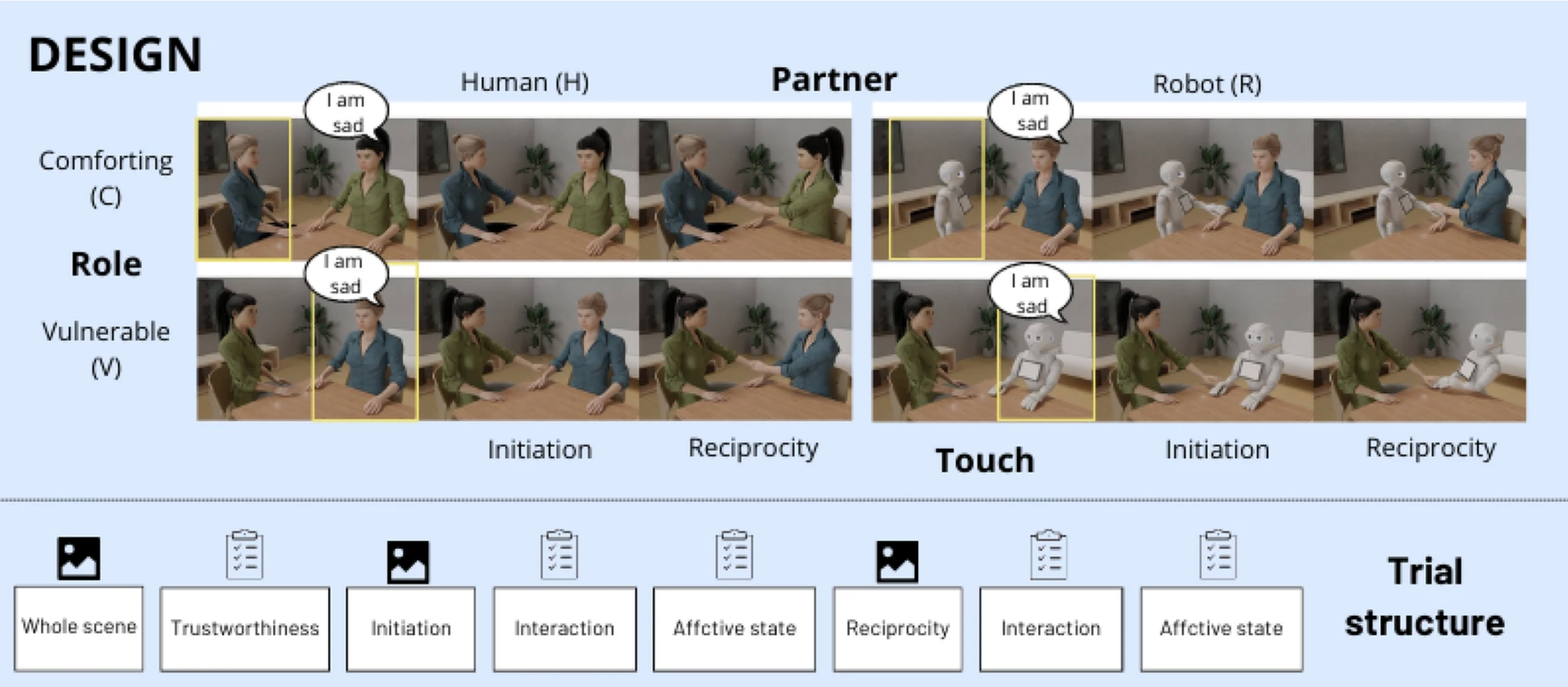
Research also shows that artificial touch, like interactions with robotic or prosthetic hands, can trigger responses that feel a lot like human touch, providing comfort and emotional support. The findings also indicated that people who are more inclined to trust tend to view robotic touch as comforting, implying that a person's personality affects how well artificial touch can comfort them.
Whether it's between people or with technology, holding hands conveys a simple yet powerful message: "I am here with you." Having a sense of belonging and support from a partner, whether it's a human or an artificial one, helps people face life's obstacles with confidence and strength.
The Absence of Hand-Holding: Loneliness and Its Effects
Holding hands in relationships, especially romantic ones, has its perks, but what about those times when you don’t have a partner to share that with? If you're single, separated from someone, or dealing with the loss of a loved one, not having physical touch can really take a toll on you, both emotionally and physically.
Loneliness can really affect our mental health, especially when it comes from not having a romantic partner or losing one. Research has found that feeling lonely can make you more aware of social threats, which isn't great for your mental and physical health. It can mess with your sleep and even make you more likely to get sick. You know, when we don’t get that emotional support or the simple comfort of holding a hand, it can really make us feel isolated and disconnected from others. Or the world around us.
This goes for long-distance couples too. They could have some solid emotional bonds, but they're missing out on the benefits of regular physical touch. Even though video calls and texts help us stay connected emotionally, there's just something about missing physical touch that makes it tough to really close that gap with just virtual chats.
Guess what else research has discovered? AI companions and robotic solutions, especially those meant for social interaction, can really help with feelings of loneliness. It turns out that when people chat with social robots, they often open up more about themselves as time goes on and feel less lonely. This suggests that these robots might really help with emotional well-being.
Could Robot Hands Be a Solution?
So, Maybe a robotic hand can actually lend us a hand! Researchers, engineers and designers, are diving into the exciting world of robotics and artificial intelligence, looking into how robotic devices might be able to mimic the sensation of human touch. Can a robotic hand truly provide the same emotional and physical comfort as holding the hand of a loved one in a human-to-human interaction? Or should it?
My Girlfriend in Walk
The project "My Girlfriend in Walk," developed by Koshirou Shiraki, Toru Notsumata, Moeka Miki, and Takeru Mushika from Gifu University’s Faculty of Engineering, looked into the emotional and psychological perks of walking hand in hand. The team recognised that not everyone has someone close to share this human-to-human experience with, so they created a wearable hand device to mimic the feeling of walking alongside someone.
By combining a smartphone and a microcomputer, the device offered multi-sensory feedback (including sound, touch, and smell) to recreate the warm feeling of holding hands. This innovation was designed to help reduce feelings of loneliness, giving users a sense of companionship even during solitary walks.
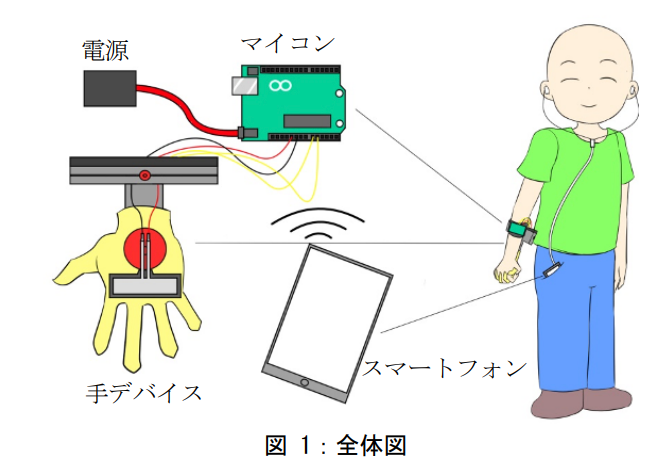
Project overview video
Simulating Human Touch
These days, it's not just in science fiction that we see robotic hands mimicking human touch. These days, modern robotics has really come a long way in creating devices that can respond to things like pressure, heat, and even our emotional cues. We're designing robot hands that not only resemble human hands but also embody the gentle, dynamic qualities of human touch—think warmth, softness, and the ability to adapt.
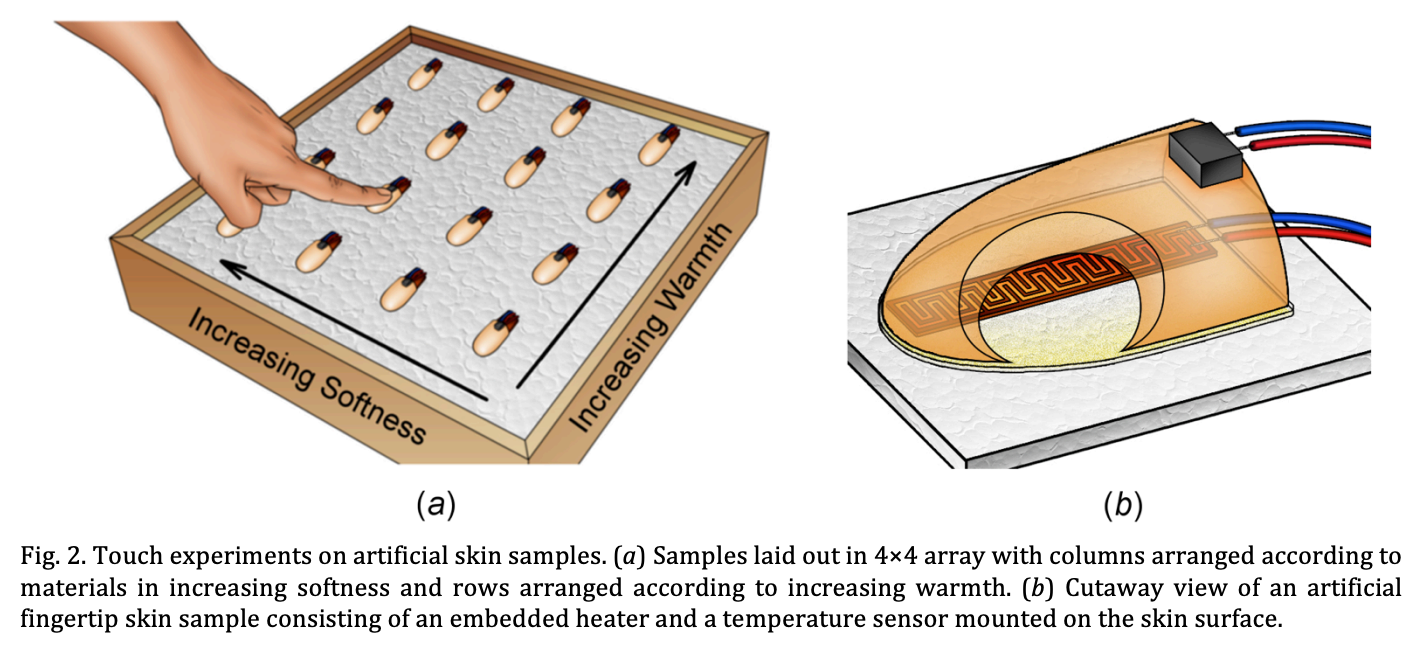
Just so you know, this isn't just for those feeling lonely, it can also be great for long-distance relationships. For example, people in long-distance relationships might use robotic hands linked via the internet, so they can "hold hands" with their partner from afar. As these robotic hands could actually replicate the pressure, temperature, and movement of a real hand, you can get a sensory experience that feels a lot like real touch. It looks like one of the keys is to create a robotic hand that feels real enough to provide some emotional comfort.
Emotional and Psychological Benefits
So, we don't need to focus on replacing human-to-human interaction, instead we can think about how to complement it. And even though a robotic hand can't really match the emotional vibe of human-to-human interaction and holding a loved one's hand, it might still bring a bit of psychological comfort to us.
For example there's a study that looked into how non-functional touch from a humanoid robot affects how people behave and feel. In this experiment, 48 students had a chat with a NAO robot, where the robot either gave their hand a little touch or didn't touch them. The results showed that people who got touched by the robot were more likely to go along with what it asked and said they felt emotionally better than those who didn’t get touched.
The video depicts a short example of how participants in the experiment were touched by the robot at the back of their hands.
On the side note, the touch didn't really change how participants felt about the robot or the whole interaction . These results show that even when a robot's touch is non-functional and isn't really doing anything, it can still have a good impact on how people feel and act.
So, in therapy context, robot hands might be pretty handy. And we can ideate even further! For example if someone has lost a partner, they might feel a bit better holding a robotic hand that feels like their loved one’s touch. While it might not totally match the deep feelings that come with human touch, it can still bring some comfort when you need it the most.
A Netflix movie night might hit different with a robot hand to hold—just that extra bit of cosy vibes you could use. Who says robots can’t bring the feels? Not the research.
Ethical Considerations
The thought of robotic hands taking over human interactions and human touch brings up some interesting ethical and psychological questions: can this harm humans and can they really replace the feeling of human to human connection? Even though ethics isn't my focus right now, it's good to take a quick look at it, and maybe explore it more down the line.
So, as we've seen from the research, robotic touch can really help with loneliness and provide some comfort in various situations, but we should remember that it has its limits. You can't really replicate the emotional and psychological vibes of human touch, especially when it comes to romantic relationships. A robotic hand might give you a bit of a vibe, but it just can't match the real emotional connection that comes from holding hands with someone you care about.
Plus, depending on robotic hands could change the way we see human connection on the long run. Perhaps we might start relying on simulated touch and end up drifting away from real connections? These are important questions to think about as we head into a future where technology is becoming a bigger part of how we connect with one another.
Future research on human-robot interaction should really do a longterm deep-dive into how potential human-robot bonds and emotional connections could be influenced by bad actors for sure. AI companions and social robots definitely come with their fair share of ethical challenges. There are risks like deception, disappointment, manipulation, which can raise some serious moral and emotional concerns. Some researchers are suggesting ways to make the artificial nature of interactions clearer, with the goal of updating ethical guidelines for designing and using social robots. But we'll save that topic for another time 😄
The Value of Holding Hands
In romantic relationships, holding hands is more than just a simple gesture of affection. It's a really strong way to connect emotionally, relieve stress, and communicate without words. When people don't have this connection, it can really lead to feelings of loneliness, which might affect their behaviour and emotions in a big way.
Robotic hands could be an interesting and helpful option for those who don’t have a hand to hold, but they probably won’t match the richness of human touch. They really don't have to, not all the time. Ultimately, the simple act of holding hands remains one of the most profound and irreplaceable expressions of love, connection, and support. It is a testament to the fact that sometimes, the smallest gestures carry the greatest emotional weight.
And can you blame one for wanting to hold a hand, human or robot one!