Introduction to the Sci-Fi Based Value-Focused Design Methodology: Shaping the Future with Imagination and Values

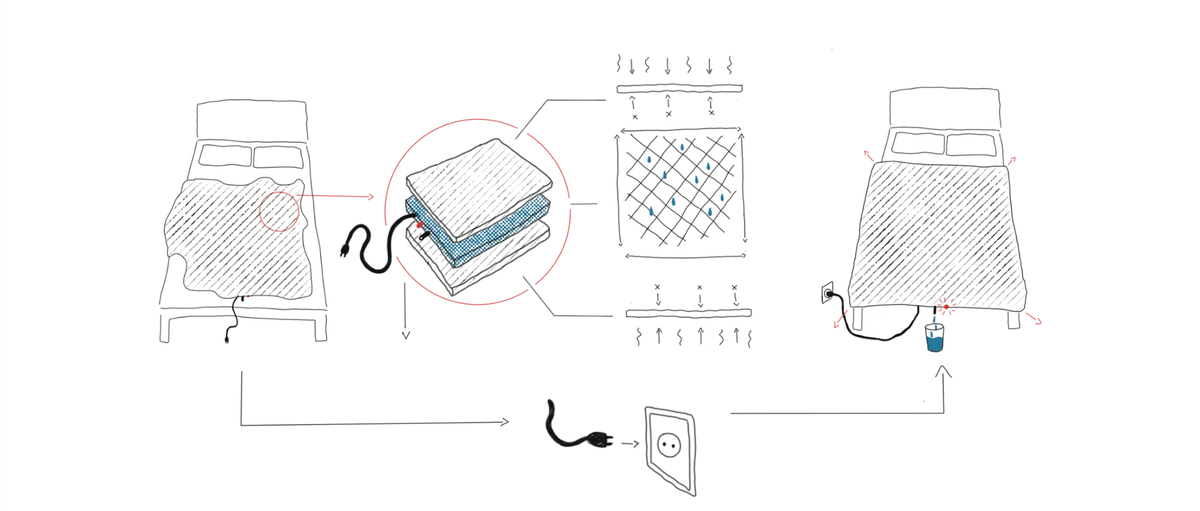
Design cannot be left solely in the service of form and function. As a product and interaction designer, but also as a professor, I am constantly between two worlds – on one side, practical product ideation, on the other, speculative experimentation that boldly requires boundary-crossing imagination. I have sought a way to intertwine these worlds and give this creative process value-based depth. How to dream up worlds that are born not only from engineering feasibility but also take into account cultural, social, and moral stratifications?
Similarly to the possibilities of speculative design – whether in science fiction literature, video games, or films – this methodology invites you to be at once a world-builder, storyteller, and critical thinker. Here, one does not seek merely the prediction of “the next big thing,” but asks: “What if…?” – and plays through possible consequences, value conflicts, and the meanings of compromise in the design process.
Why Science Fiction? Why Speculative Design?
One question that arises again and again is: why use science fiction and speculation in design at all? The answer lies in their ability to open up fields of thought, and not to provide ready-made answers. Speculative design does not predict the future – it is an exercise in imagination that extends the idea of what could be. It creates a space where it is safe to play out “what if” scenarios and reveal value judgements and tension points that would otherwise remain hidden.
Science fiction as a genre offers a rich narrative toolbox – the ability to test societal, ethical, and technological ideas. From Isaac Asimov and Stanisław Lem’s philosophical reflections on artificial intelligence and the boundaries of human nature, to the cautionary scenarios of Black Mirror – these are not just stories about gadgets or technical progress. These are imaginings of new life forms, relationships, societal agreements, and modes of governance.
Science fiction creates a space where technology is not an end in itself, but a means through which to interpret humanity, power relations, ethics, and human care. That is precisely why it is so powerful as a designer’s tool – it allows us to explore what may happen not only when technology changes, but also when our values, norms, and conceptions of the possibilities for a good life change.
Science fiction and speculative design give us the chance to think especially big and radically – beyond daily functionality, existing technologies, or today’s societal arrangements. These approaches invite us to play with hypothetical worlds and radical changes, where imagination knows no bounds. It is precisely in this freedom that the innovative potential of design is born – the opportunity to design not just better products, but completely new worlds, value systems, and human relationships. This helps us not only to imagine possible futures, but also to be ready for changes – both for those we expect, and those that may surprise us.
Stages of the Sci-Fi Based Value-Focused Design Methodology
That is why the Sci-Fi Based Value-Focused Design Methodology was born – a tool that helps harness imagination in the service not only of creativity but also of responsible design. This methodology combines speculative design, value-based thinking, and systems analysis tools to explore futures we desire – or perhaps fear. It is not just a technique suitable for brainstorming, but a practical and at the same time playful process that supports the creative and boundless exploration of complex technology and social issues, making values visible and using them to guide design decisions.
The methodology is divided into stages that help glide between utopias and dystopias, linking imagination with ethical and systemic approaches.
1. Define Focus and Map Values
Every project begins with a key question: what scientific breakthrough, technology, or social issue speaks to or concerns you at this moment? Is it the ethics of artificial intelligence, brain-computer interfaces, or the impact of environmental monitoring systems? Map the related stakeholders and their values (e.g., autonomy, justice, sustainability). Also visualize or describe the connections between the selected technology and human/social values. Possible value conflicts and interactions will be revealed, for example, privacy vs connectivity, efficiency vs empathy.
This stage creates the philosophical and emotional foundation for the project. Use tools such as stakeholder maps, value conflict diagrams, or empathy maps. The process can be enriched by co-creation workshops or interviews to discover values more deeply and diversely.
2. Design the Future World and Contexts
Let your imagination soar: imagine a near future or alternative world where your selected technology is a natural part of everyday life. Who lives here? What rules, architecture, or visual cues (such as signs, screens) reflect societal values? Design characters and their relationships with technology. Let clues also reveal previous value conflicts or ideologies.
This stage relies on speculative ethnography and systemic thinking. Narrative design and science fiction help create engaging and believable worlds. Consider collaborative storytelling or LARPing (live action role-play) to achieve a deeper, character-based experience. Environmental storytelling enables you to “show, not tell” – through design elements and spatial logic, one can reveal past events, social tensions, and cultural narratives.
3. Initiate the Scientific Turning Point
In this world, a breakthrough occurs – explosive spread of technology, a malfunction perhaps, an unexpected use case. What event triggers a wave of change? What happens to society? Who adapts? Who resists? Who disappears? Map how change affects not just individuals, but also social, ethical, governance, and economic systems. What unexpected consequences or patterns emerge?
This stage allows us to introduce possible ruptures and map their aftershocks. Use scenario planning, a futures wheel, or causal loop diagrams. To visualize consequences, narrative visualizations or comics work well here.
4. Explore Consequences and Scenarios
Simulate the future in the form of best- and worst-case scenarios. How do people or institutions respond? Use role-play, speculative prototypes, or fictional advertisements. This stage enables embodied imagination – thinking through experience. Engage in mapping systemic impacts – assess what consequences the spread of technology has for various systems, from environment and economy to power structures and social justice.
This stage encourages use of embodied speculation and playful exploration. Speculative prototyping, design games, or simulation workshops make the process tangible and engaging. To stimulate discussion, one can create speculative artifacts – for example, fictional advertisements, imagined laws, or future gadgets.
5. Analyze Human Value Conflicts
The focus shifts to a moment of tension, the value conflict. Bring out the conflict – rebellion, misuse, value clash. What difficult choices do the characters have to make (e.g., is privacy sacrificed in the name of security)? For example: privacy vs security. Study and map how different stakeholders respond to changes – do they adapt, protest, innovate, or break the system – and whose voice stands out in this process, whose remains unheard.
This stage helps bring out hidden values and hierarchies. Case-based storytelling (such as ethical vignettes) or conflict analysis frameworks help make value conflicts and compromises visible. Focus on who “wins” or “loses,” and what stories are told behind these decisions.
6. Gather Conclusions and Repeat Iterations
Analyze: which values remained, which changed? What new design questions emerged? If necessary, create a new value map, adjust the prototype or scenario, and repeat the process to explore the topic more deeply or broadly.
This stage encourages seeing design as ongoing dialogue. Use methods like critical making, systems journaling, or returning to earlier steps to strengthen iterative thinking. Synthesize and document how your perspectives or the imagined world changes over time.
7. Compose a Cohesive and Compelling Output
Translate your research into a clear and impactful form – whether it’s a story, game, comic, video clip, or design documentation. The output should convey not only technological logic and value dynamics, but also reflection on the entire process – including what iterations, feedback, and rethinking revealed.
The final output should tie together all the previous steps into a cohesive form, conveying both technological logic and emotional impact. Choose the most suitable medium for your world – comics to highlight empathy, games to investigate agency, speculative policies to simulate reality, etc. Make the value-based conclusions visible in your presentation or documentation.
Sci-Fi Futures, Real Choices
When technological innovation rushes ahead, often leaving value debates and human dimensions lagging behind, we need consciously created space to slow down, speculate, and ask: what kind of future are we creating – and why?
If you are engaged by next-generation artificial intelligences, the ethics of smart cities, or simply the wish to create a more humane technological world, you are already part of this way of thinking. Every “what if?” question is an invitation to design not only new systems, but new possibilities.
The Sci-Fi Based Value-Focused Design Methodology is not only an academic experiment or yet another design exercise – it is a tool that helps us make sense of what the future should look like, not only what could happen. Science fiction allows us to temporarily suspend the rules of reality and ask bolder questions – it creates a mental freedom where we can make visible even those values, fears, and desires that we often overlook in the everyday. It directs us not only to experience and ask “how?”, but also “for whom?” and “at what cost?”
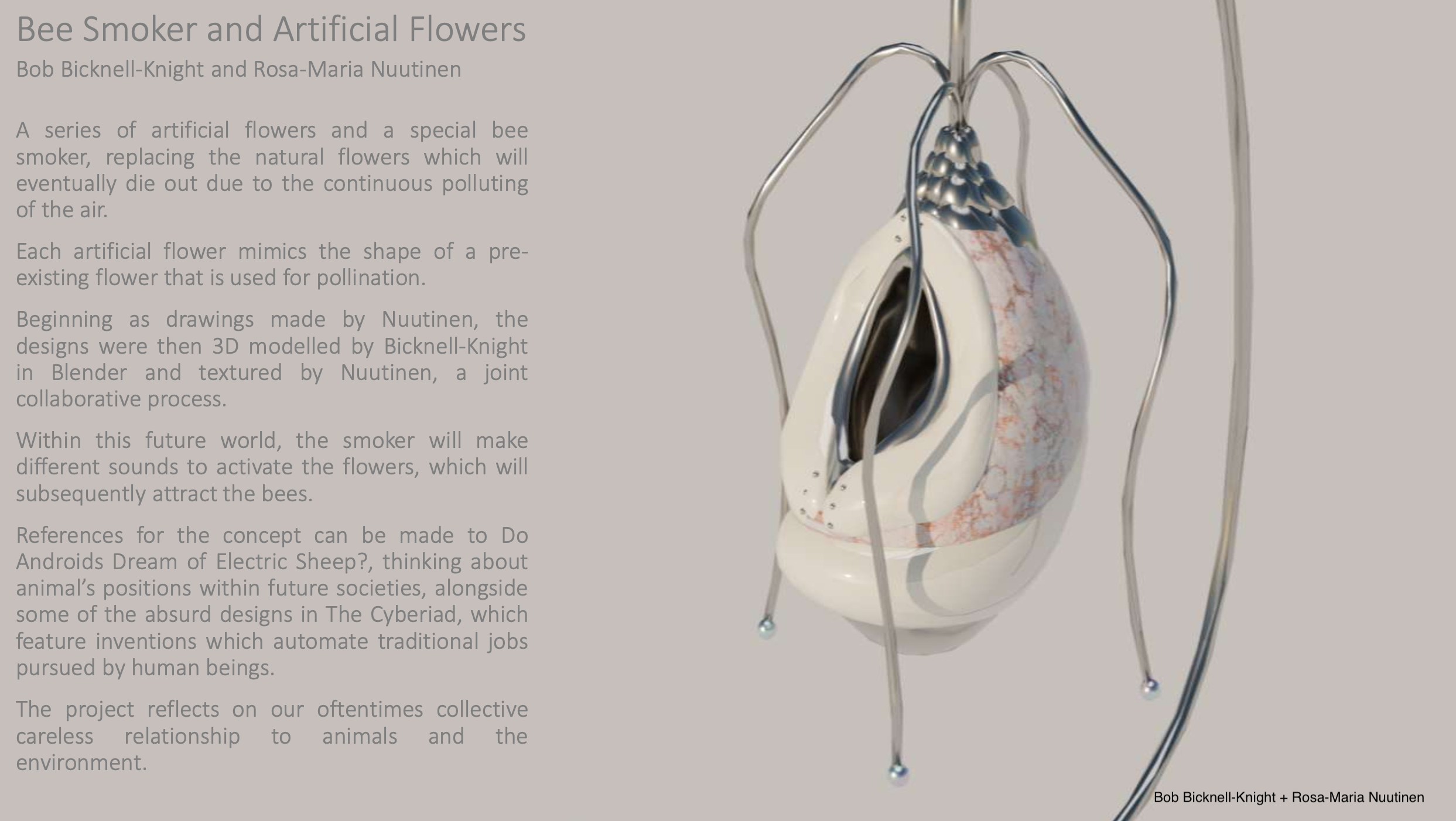
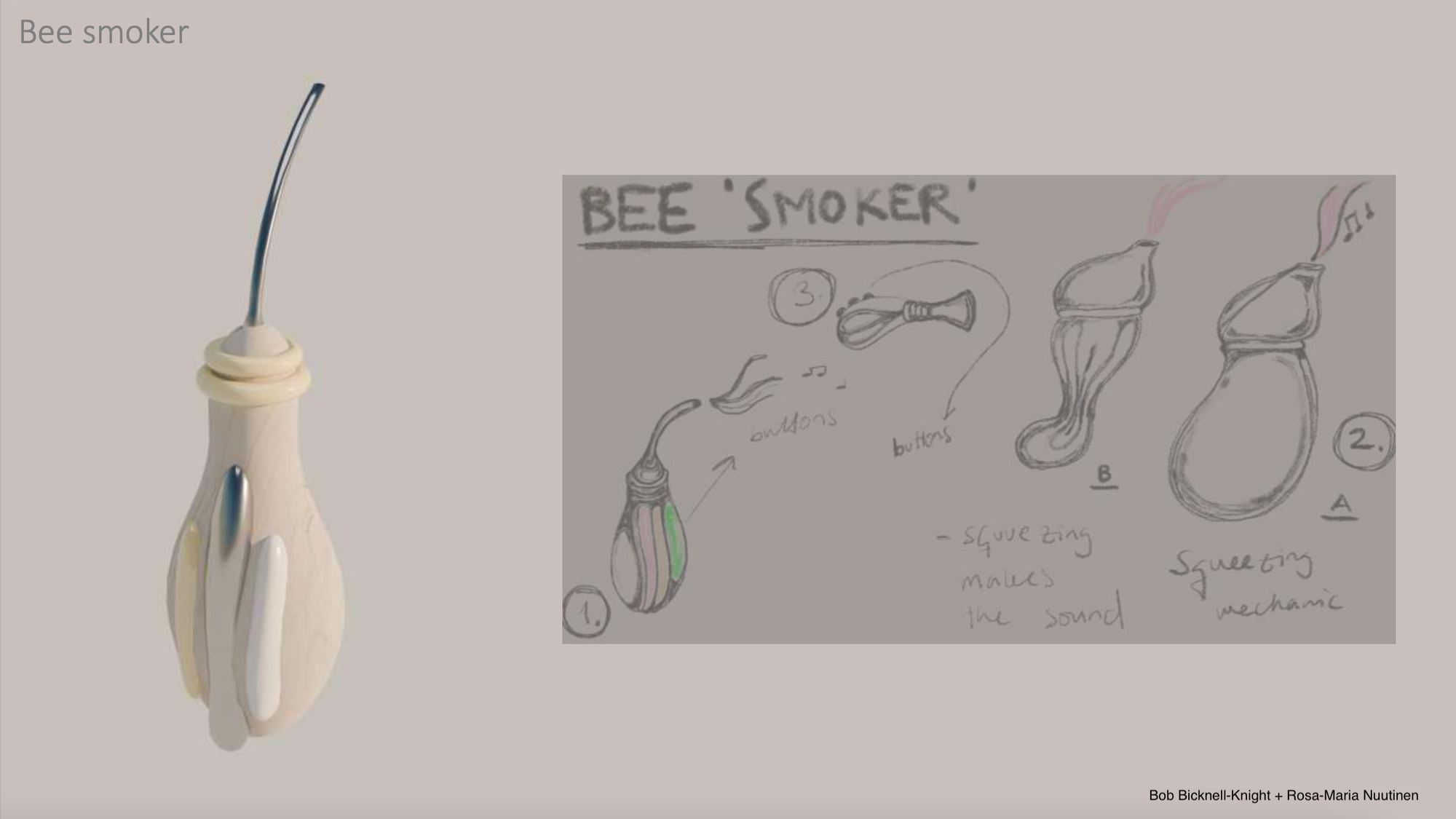

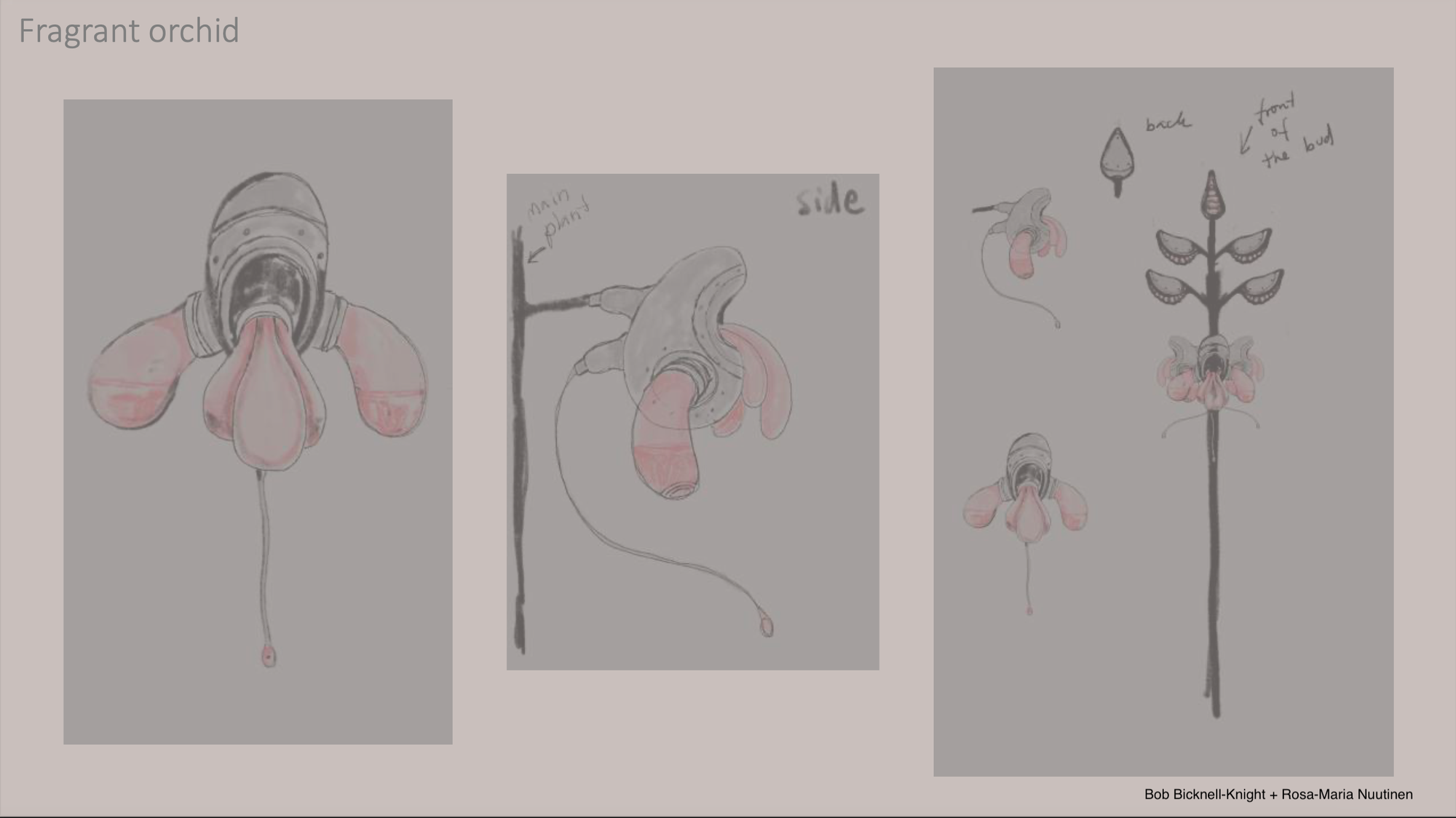
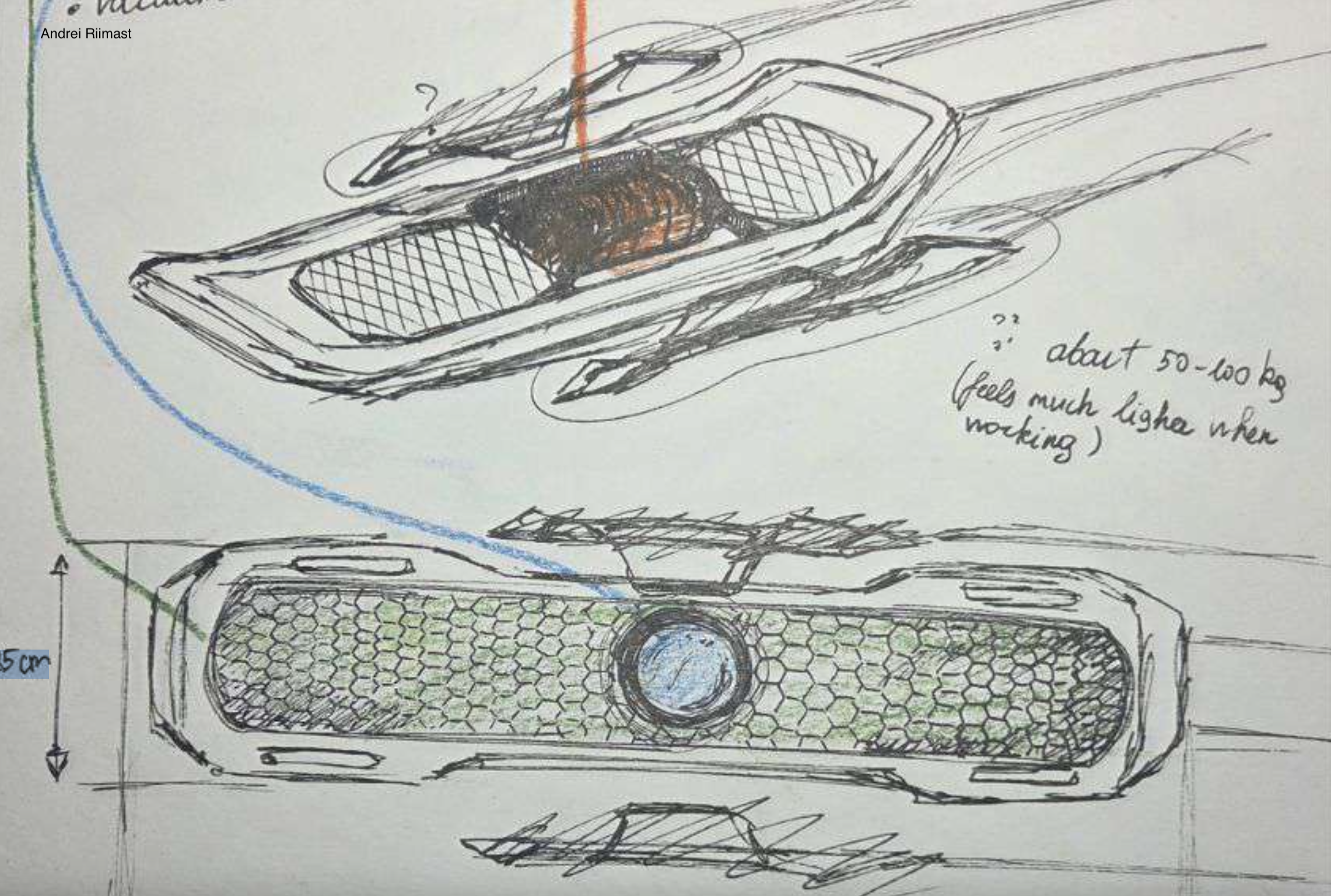
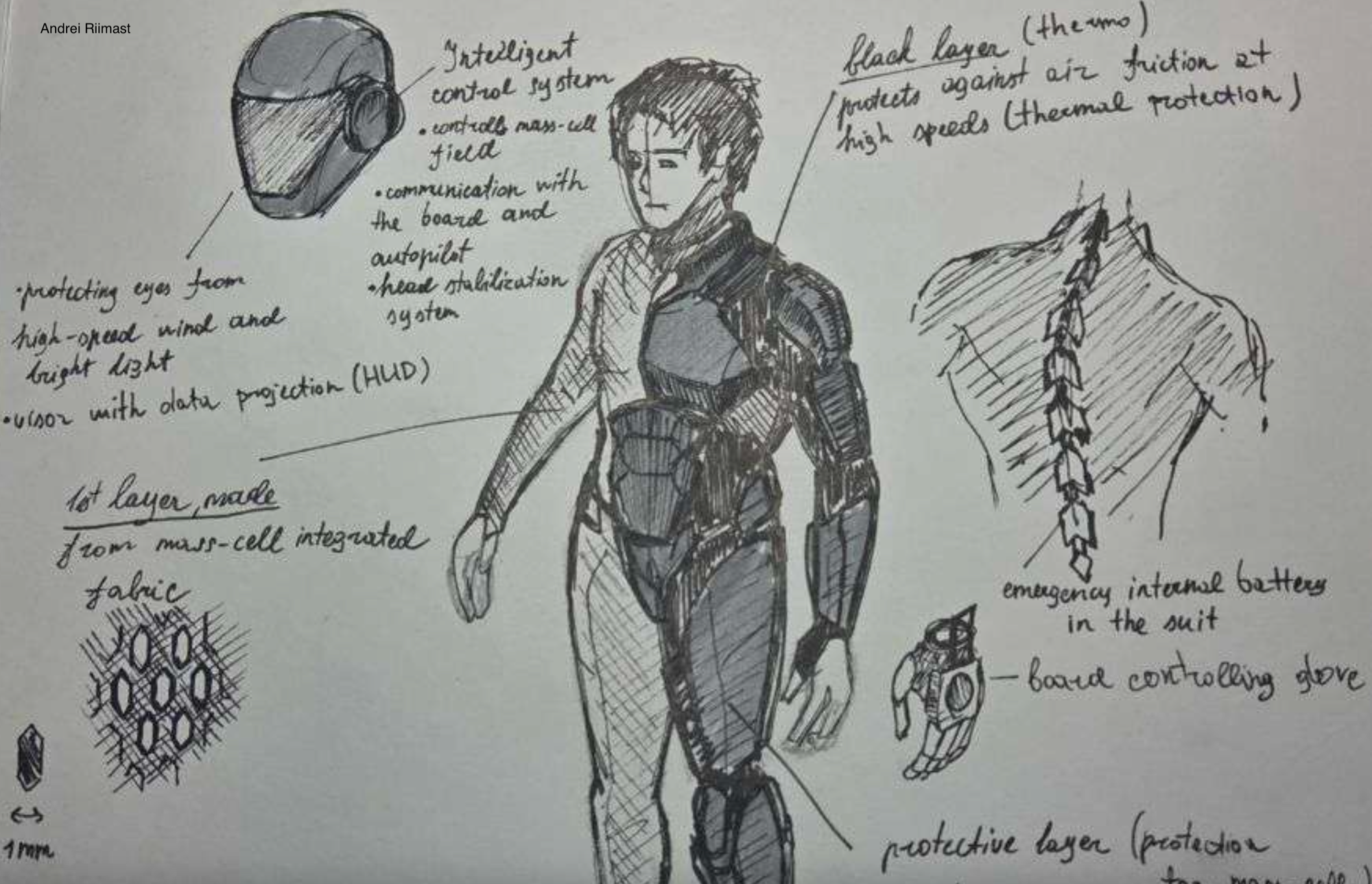
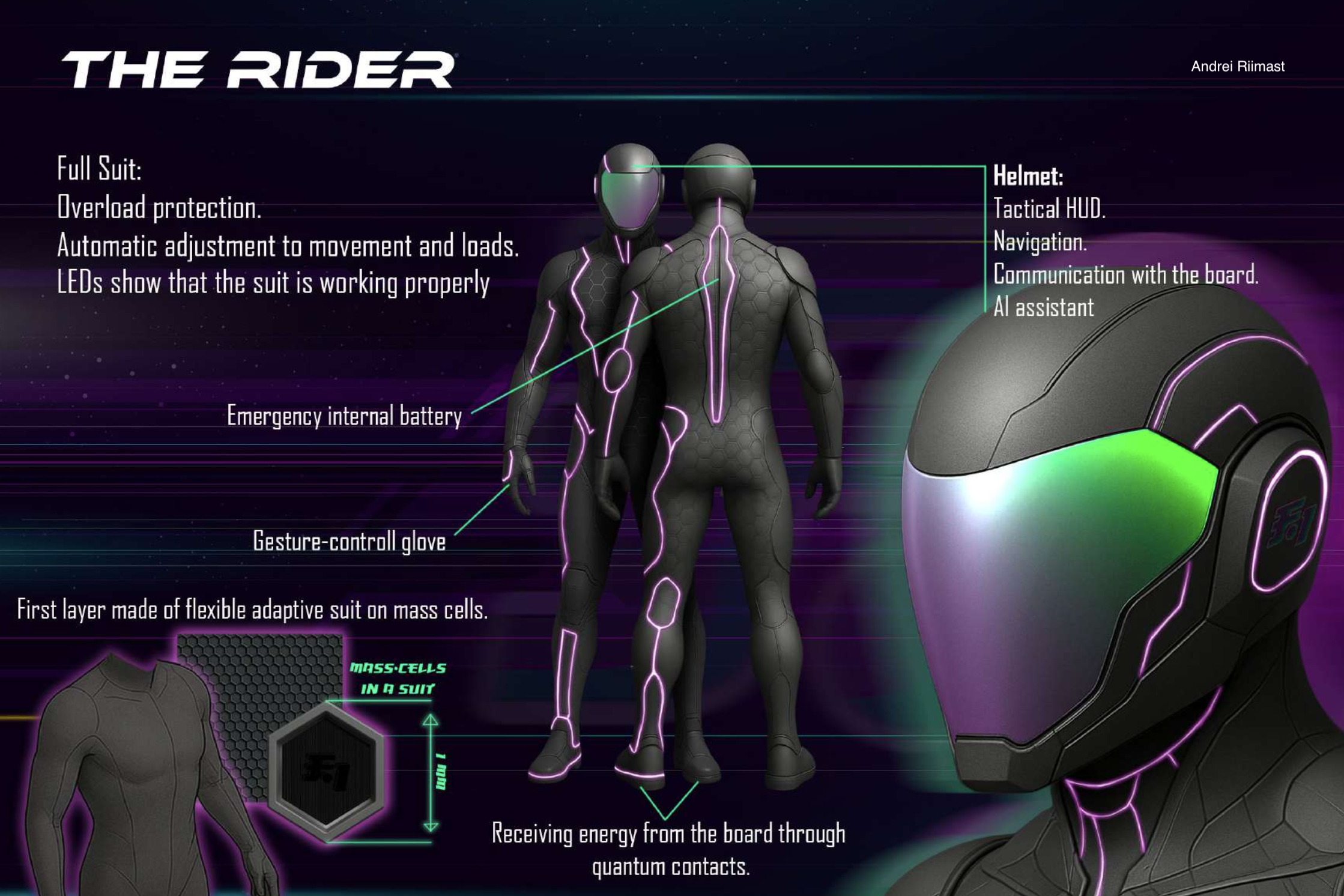
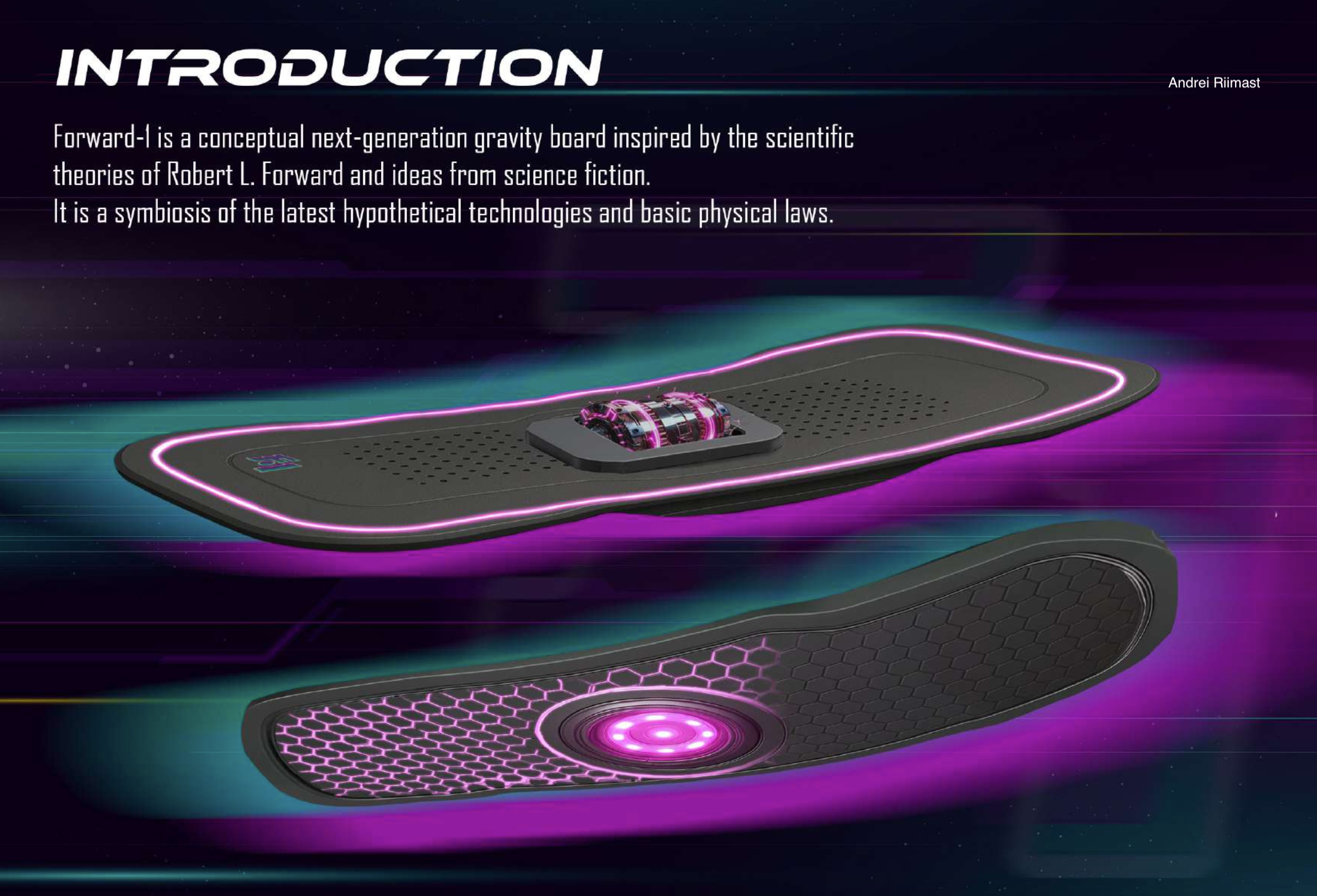
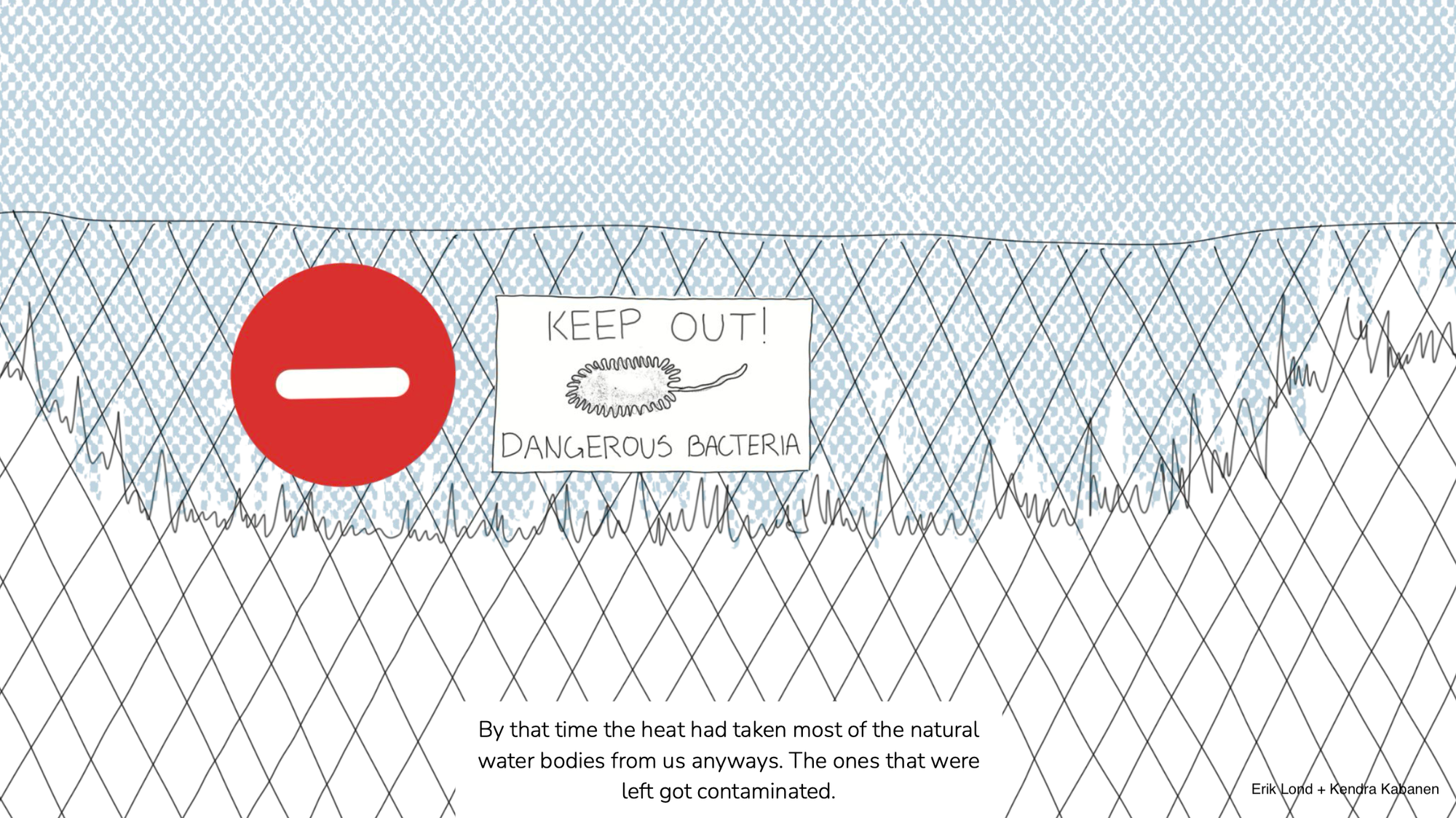
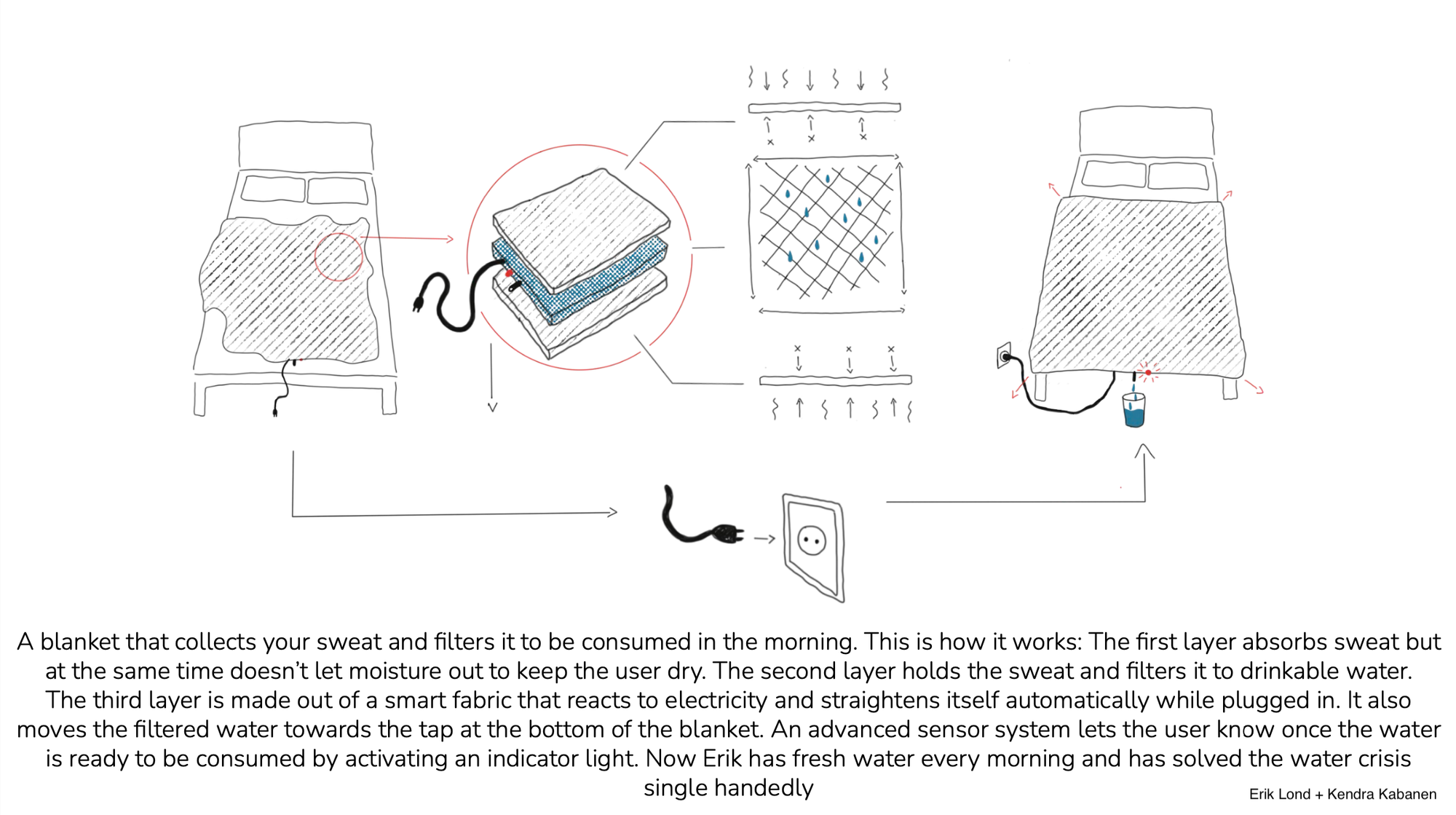
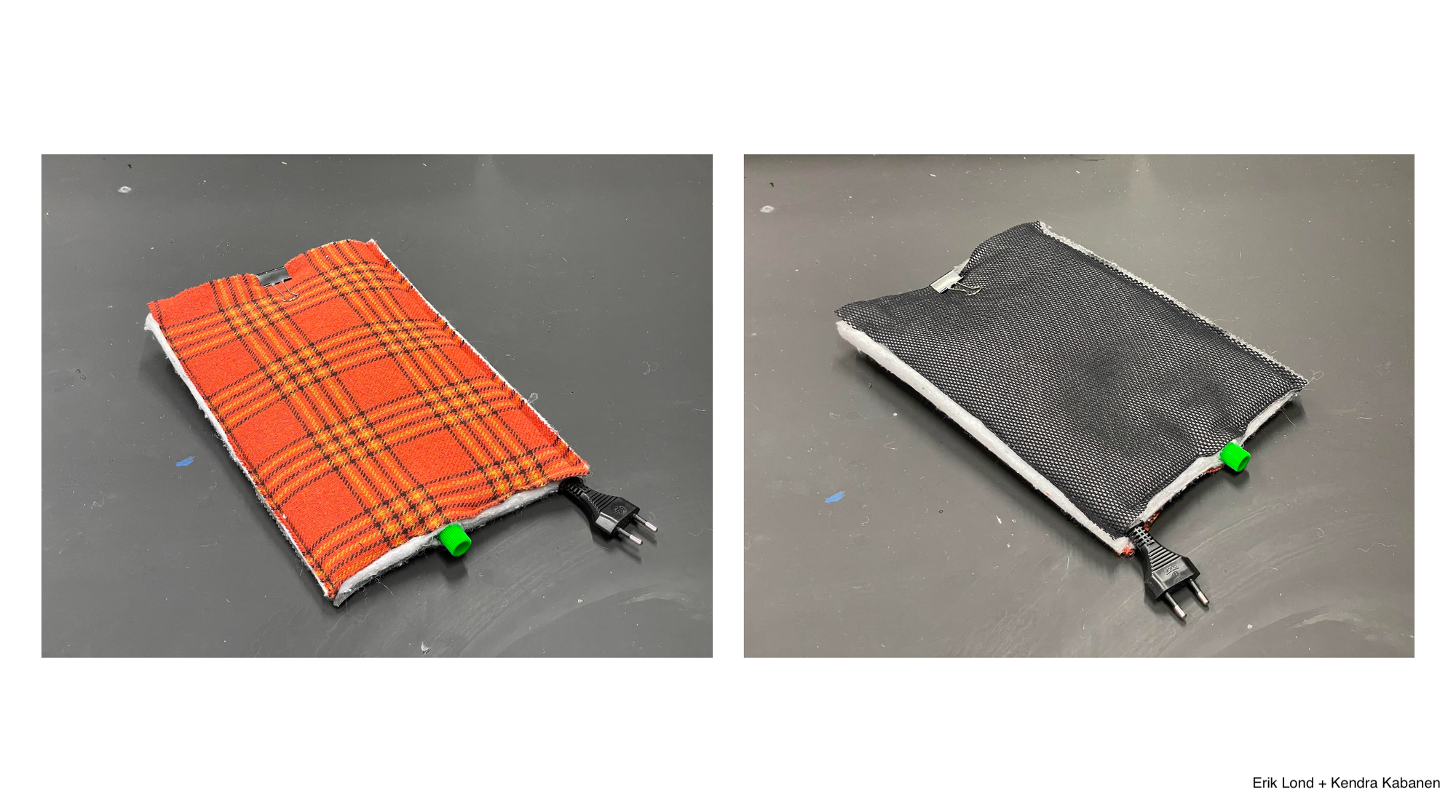
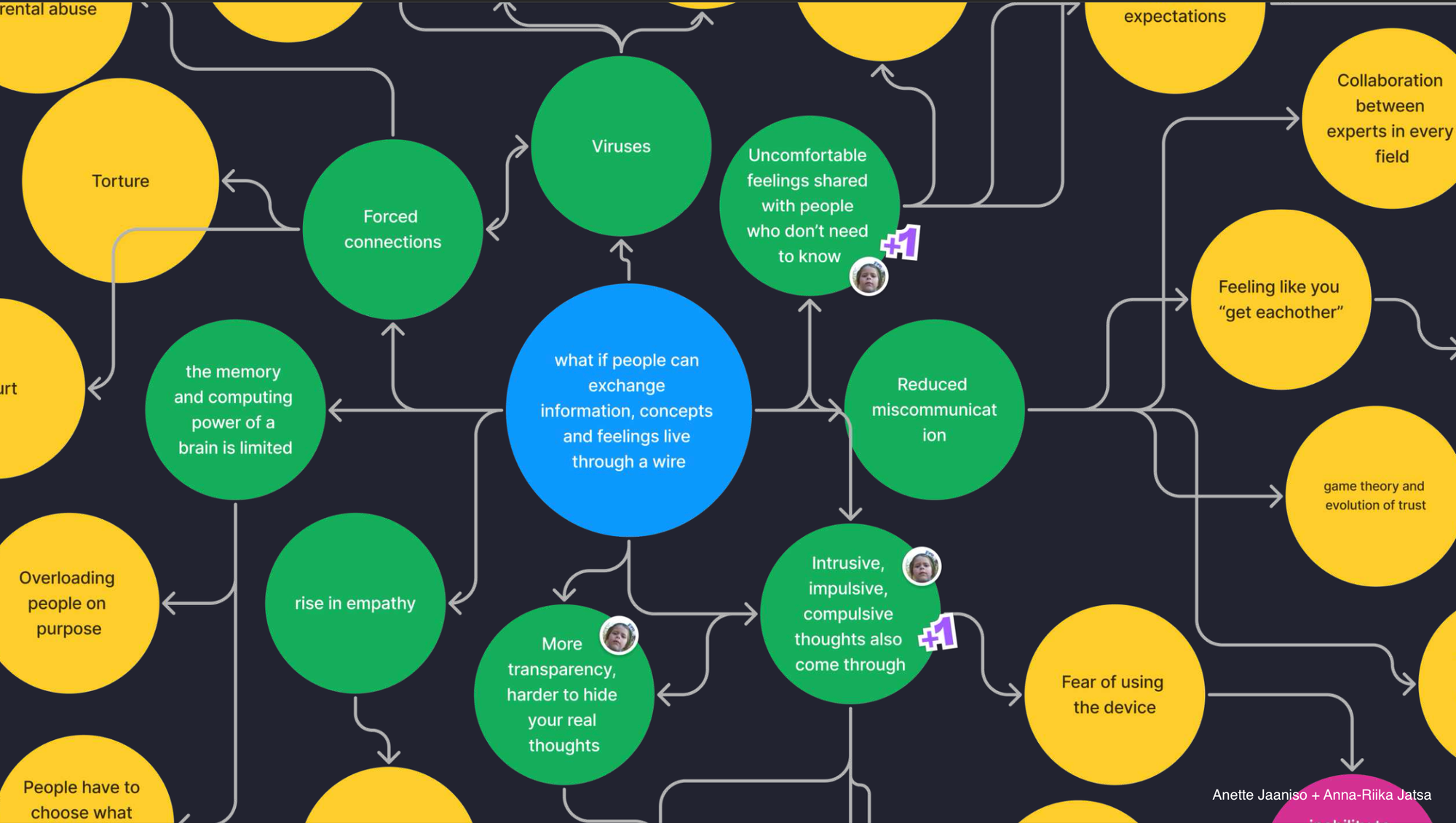
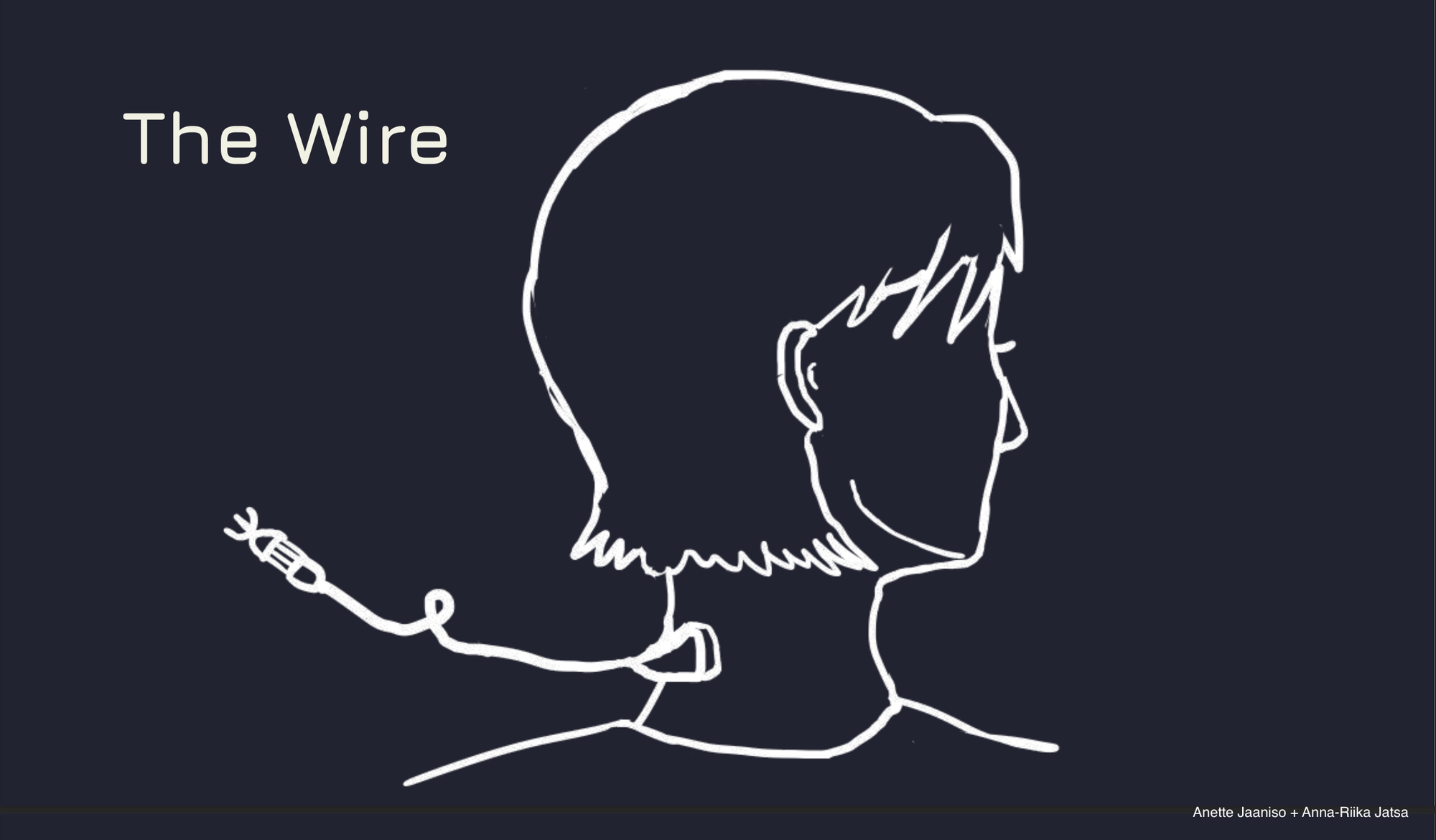
Design concepts in the article are created as part of the From Sci-Fi to Design course. Authors: Bob Bicknell-Knight & Rosa-Maria Nuutinen, Anette Jaaniso & Anna-Riika Jatsa, Erik Lond & Kendra Kabanen, Andrei Riimast.