The Art of Digital Love Notes

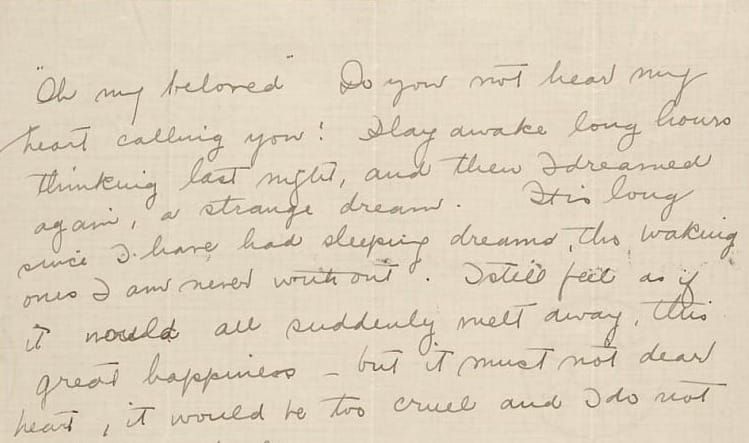
Once upon a time, love letters were treasured items, lovingly crafted on paper, sealed with affection, and sent across huge distances, holding the very core of genuine devotion. They have turned into email or chat drafts now—formatted, editable, and sometimes left unsent indefinitely. With an emoji or two 😘
The ever-evolving mediums have changed the tone, purpose, and essence of how we express our love and interest. While paper letters seemed to bring feelings of permanency in our connections, emails and chat messages reflect a mix of passionate quick responses and second thoughts. We can edit our confessions and filter our emotions with each keystroke we make.
Rather than ink smudges that share stories of hurried feelings and shaky hands, we now have timestamps that capture our precise moments of passion and uncertainty. Rather than using scented paper that lingers around for years, we provide hyperlinks - occasionally broken, sometimes linking to videos, and at times combined with a thoughtfully curated Spotify playlist, our contemporary way of showing our affection.
The Emotional Impact of Mediums
The depth and genuineness of our feelings can be significantly impacted by the medium we use to communicate our love. There's just something special about handwritten letters, their tactile nature seems to connect with us emotionally. According to Mueller and Oppenheimer, the act of writing by hand activates cognitive processes that promote stronger emotional bonds.
On paper, the physical pressure and apparent ink flow provide a distinctive, personal touch, that little extra something and unique that we miss in digital communications. E-mails and chat messages might seem like the easier way to communicate, but they often don't quite hit the mark and fall short in this regard.
Love Letters Across Time and Space
Building on this, the function of love letters has been studied by researchers in a broad range of contexts, for example, the maintenance of romanticism and intimacy during wartimes throughout the history or the forming romantic attachment in cyberspace. Comparisons between historical forms of romantic correspondence, like love letters or telegraph messages, and modern digital communications, highlight both similarities and differences in how relationships are initiated and sustained over time.
From a psychological point of view, love letters in general help us to build and maintain romantic relationships by allowing self-disclosure and emotional expression. They let people to communicate emotions and feelings that may be difficult to express verbally, which fosters stronger bonds between people. Love letters let people express themselves emotionally even when they aren't physically together.
Visual and Textual Layers of Affection
For example, the telegraph, often called the "Victorian Internet," allowed instant communication similar to today’s online platforms, even enabling long-distance romances via Morse code. In this sense, traditional and digital forms of communication share more common ground than differences, as both depend on textual self-disclosure to build connections and foster relationships.
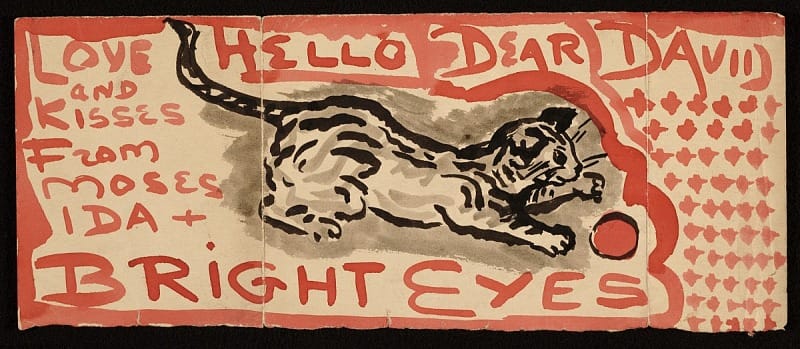
Beyond text, both traditional and modern communication use different types of visuals to strengthen emotional bonds. In today's online conversations, photos, memes, and emoticons are some of the expressive tools we use, umping up our words with emotional add-ons and personality. Love letters seem to have these multi-sensory add-ons regardless of the era we talk about - traditional love letters had clippings, photographs and other special things attached to them, some with hand-drawn illustrations, others with pressed flowers, and so on.
Love with an AI wingman
With all the digital mediums and AI developments, the concept of algorithmic romance was also born and it resulted in tools and apps acting as "AI wingmen" in modern dating. These tools are meant to help people write messages, select images, and even offer advice on how to approach possible romantic interests.
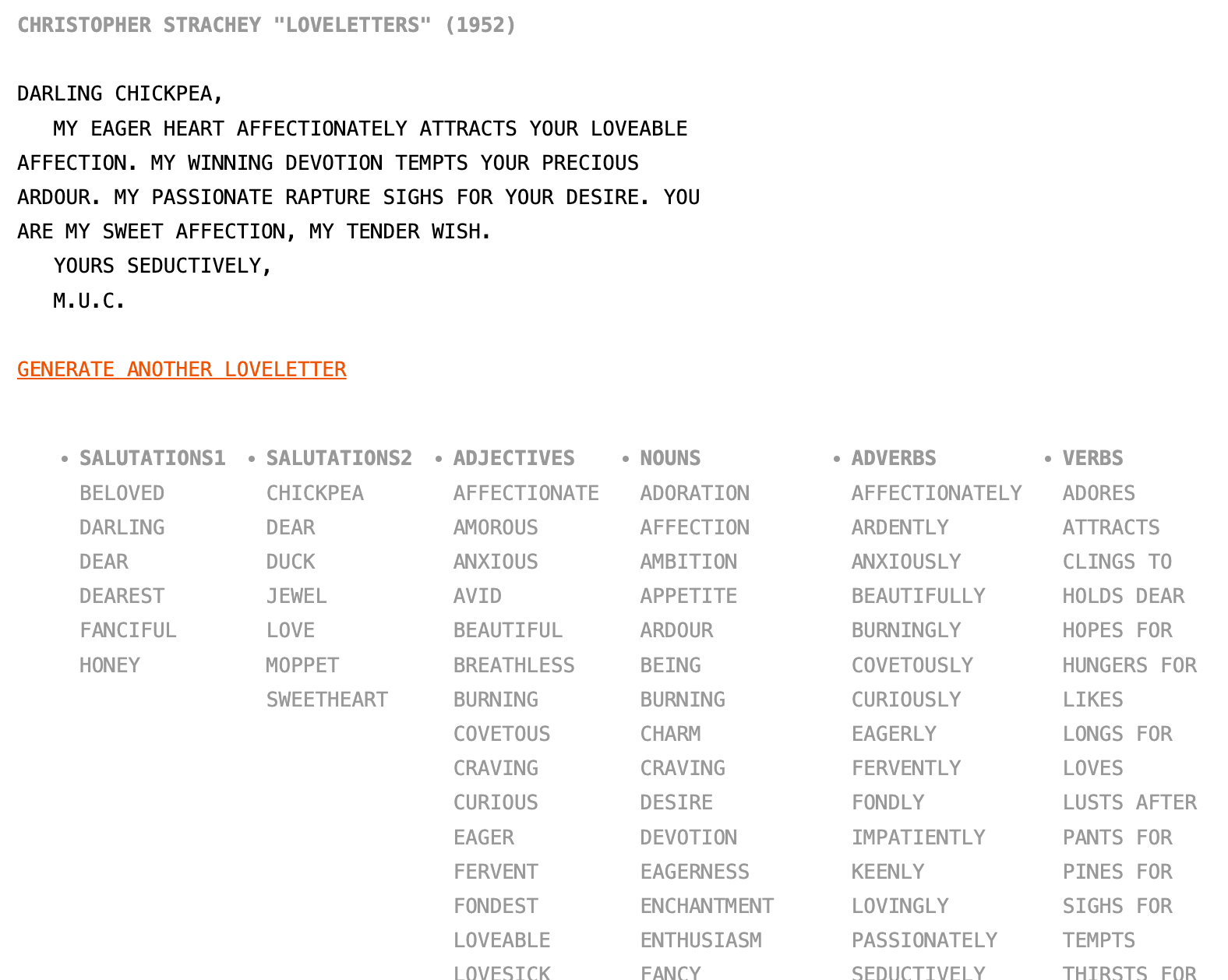
One of the first examples of electronic literature, Christopher Strachey created a program in the early 1950s that produced love letters using a combinatory algorithm. This work has been interpreted as a queer critique of heteronormative love expressions in digital art and literature, though that's a topic for another time!😄 Let's just see this as a playful perspective on algorithmic romance staking its first steps created by perhaps one of the first digital artists.
From Early Algorithms to Modern-Day Tools
Love can still blossom over the ether in this digital age, though. Unlike the early love letter generator developed by Strachey, contemporary AI systems use highly customized interactions powered by machine learning and natural language processing. Because they reflect the world we live in now, a well-crafted digital communication with clever subject lines and personalized body text can have just as much, if not more, meaning and impact. The tone changes, but the intention stays: to connect, to be heard, to capture emotions.
Interestingly, this algorithmic help reflects elements of historical romance tools. AI now acts as a digital middleman by elevating the writers voice and intentions, a lot like conventional love letters depended on elaborate expressions and symbolic gestures that were often created with the help of professional writers or advisors. Critics, however, question the authenticity of connections mediated by algorithms and the ethical implications of outsourcing emotional work to AI.
The Future of AI-Driven Romance
Even with these concerns, we can't overlook the appealing and practical sides of AI wingmen. They bring a nice mix of playfulness and efficiency to romantic journeys, serving as both handy tools as well as symbols of the ever-evolving connection between technology and intimacy. It has been proposed, that the rise of AI-driven romance points to a future where human-AI collaboration becomes a natural part of how we form and sustain relationships in our ever-evolving digital landscape.
So, does the medium dilute the message? Perhaps not. Whether it's "Dear Beloved", "Hey, Wyd? 👋" or a panda meme with animated hearts, it’s still about daring to "click send” and sharing your emotions.